
What should you do after finishing your B.Tech degree? This question troubles thousands of engineering students every year. Careers after B.Tech offer many paths to success. You can find jobs in top companies, pursue higher studies, start your own business, or even prepare for government exams. Each path has its own benefits and challenges.
In India, over 15 lakh engineering students graduate each year. Many of them feel confused about their next step. The good news is that careers after B.Tech are more diverse than ever before. Technology is growing fast. New fields are opening up every day. Whether you studied computer science, mechanical, civil, or electrical engineering, opportunities exist for everyone.
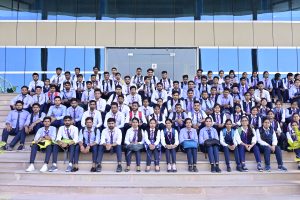
At SHEAT College Varanasi, students get proper guidance about careers after B.Tech. The college helps young engineers understand their options. From placement training to skill development, SHEAT College Varanasi prepares students for the real world. This article will guide you through all the best careers after B.Tech available in 2025.
Key Takeaways
- Careers after B.Tech include software jobs, core engineering roles, higher studies, government positions, and entrepreneurship
- Software and IT jobs offer the highest salaries for B.Tech graduates in India
- Higher studies like M.Tech, MS, or MBA can boost your career prospects significantly
- Government jobs provide stability and good benefits for engineering graduates
- SHEAT College Varanasi offers excellent placement support and career guidance
- Skill development and certifications help you stand out in competitive job markets
Understanding Careers After B.Tech in Today’s Market
The job market for engineers has changed a lot in recent years. Traditional engineering jobs still exist, but new fields are growing faster. Careers after B.Tech now include roles that did not exist ten years ago. Data science, artificial intelligence, cloud computing, and digital marketing are just a few examples.
The Changing Landscape of Engineering Careers
Engineering graduates today have more choices than their seniors had. Companies are looking for engineers who can solve real problems. They want people who can think creatively and work in teams. Technical skills matter, but soft skills are equally important now.
Many B.Tech graduates work in non-core fields. A mechanical engineer might become a business analyst. A civil engineer might work in project management. This flexibility makes careers after B.Tech exciting and full of possibilities.
Why Career Planning Matters for B.Tech Graduates
Planning your career early gives you a big advantage. Students who start preparing in their third year often get better job offers. They have time to learn new skills, do internships, and build their resumes.
At SHEAT College Varanasi, career planning starts from day one. The college organizes workshops, guest lectures, and industry visits. These activities help students understand different careers after B.Tech. Students learn what skills companies need and how to develop them.
“The best time to plan your career is right now. Don’t wait until your final year. Start exploring options, learning skills, and building connections early.” – Career Counselor, SHEAT College Varanasi
Top Job Options: Core Engineering Careers After B.Tech
Core engineering jobs are roles directly related to your branch of study. If you studied mechanical engineering, working as a mechanical engineer in a factory is a core job. These positions remain popular among careers after B.Tech options.
Mechanical Engineering Careers
Mechanical engineers work in manufacturing, automobile, aerospace, and energy sectors. They design machines, test products, and solve technical problems. Companies like Tata Motors, Mahindra, and L&T hire mechanical engineers every year.
The average starting salary for mechanical engineers is Rs 3-5 lakhs per year. With experience, this can grow to Rs 10-15 lakhs or more. Some mechanical engineers also move into management roles after gaining experience.
Civil Engineering Opportunities
Civil engineers build our cities. They work on roads, bridges, buildings, and water systems. Construction companies, government departments, and consulting firms hire civil engineers regularly.
Careers after B.Tech in civil engineering include site engineer, structural engineer, project manager, and quality control engineer. The construction boom in India creates steady demand for civil engineers.
Electrical and Electronics Engineering Roles
Electrical engineers work with power systems, electronics, and automation. They find jobs in power plants, manufacturing units, and electronics companies. The renewable energy sector is creating many new opportunities for electrical engineers.
Electronics engineers work on circuit design, embedded systems, and communication devices. Companies making phones, TVs, and other gadgets need electronics engineers. The salary range is similar to mechanical engineering, starting at Rs 3-6 lakhs per year.
| Engineering Branch | Core Job Roles | Average Starting Salary | Top Recruiters |
|---|---|---|---|
| Mechanical | Design Engineer, Production Engineer | Rs 3-5 lakhs | Tata Motors, Mahindra, L&T |
| Civil | Site Engineer, Structural Engineer | Rs 3-4.5 lakhs | L&T, Shapoorji Pallonji, DLF |
| Electrical | Power Engineer, Control Engineer | Rs 3-5.5 lakhs | BHEL, Siemens, ABB |
| Electronics | Circuit Designer, Testing Engineer | Rs 3.5-6 lakhs | Samsung, Intel, Qualcomm |
IT and Software: Most Popular Careers After B.Tech
Software and IT jobs dominate the list of careers after B.Tech in India. Even students from non-computer science branches often choose software jobs. The pay is good, work environment is modern, and growth opportunities are plenty.
Software Development Engineer Positions
Software developers write code to create applications and websites. They work in companies of all sizes, from startups to giants like Google and Microsoft. The demand for good software engineers is always high.
To become a software developer, you need to know programming languages like Java, Python, or JavaScript. You should understand data structures and algorithms. Many students prepare for coding interviews during their B.Tech final year.
Starting salaries for software engineers range from Rs 4-8 lakhs per year. Top companies offer packages of Rs 15-25 lakhs or even higher. SHEAT College Varanasi provides coding training to help students prepare for software jobs.
Data Science and Analytics Careers
Data science is one of the hottest careers after B.Tech right now. Companies collect huge amounts of data every day. They need data scientists to analyze this data and find useful insights.
Data scientists use statistics, programming, and machine learning. They help companies make better decisions. The field is growing fast, and salaries are excellent. Fresh data scientists can earn Rs 6-12 lakhs per year.
Artificial Intelligence and Machine Learning Jobs
AI and machine learning are changing the world. Self-driving cars, voice assistants, and recommendation systems all use AI. Engineers with AI skills are in huge demand.
Learning AI requires good math skills and programming knowledge. Many online courses teach AI and machine learning. Students who learn these skills open doors to exciting careers after B.Tech.
Cloud Computing and DevOps Roles
Cloud computing is how companies store data and run applications online. AWS, Azure, and Google Cloud are popular platforms. Cloud engineers help companies move to the cloud and manage their systems.
DevOps engineers work on making software development faster and more reliable. They connect development and operations teams. Both cloud and DevOps roles pay well, with salaries starting at Rs 5-8 lakhs per year.
Higher Studies: Advanced Careers After B.Tech
Many students choose higher studies instead of immediate jobs. Careers after B.Tech can take a big leap with advanced degrees. Higher studies help you specialize in a field and can lead to better job opportunities.
Master of Technology (M.Tech) in India
M.Tech is a two-year program that lets you dive deep into a specific area. You can do M.Tech in areas like computer science, structural engineering, thermal engineering, or power systems. IITs, NITs, and universities offer M.Tech programs.
Getting into good M.Tech programs requires clearing GATE exam. Many companies prefer M.Tech graduates for research and development roles. The degree can increase your starting salary by Rs 2-4 lakhs per year.
MS and PhD Abroad Options
Studying abroad is a dream for many engineers. Countries like USA, Germany, Canada, and Australia have excellent universities. An MS degree from a foreign university can transform your careers after B.Tech prospects.
MS programs usually take 1.5-2 years. They are expensive, but many students get scholarships or loans. After MS, you can work abroad or return to India with better opportunities. PhD is for students who want to do research and become experts in their field.
MBA After B.Tech: Management Careers
MBA is a popular choice for engineers who want to move into business roles. An MBA opens doors to careers in management, consulting, finance, and marketing. Many engineers do MBA from IIMs or other top business schools.
To get into good MBA programs, you need to clear exams like CAT, XAT, or GMAT. Some students work for 2-3 years before doing MBA. Others do it right after B.Tech. MBA graduates can earn Rs 10-25 lakhs per year or more.
Professional Certifications and Short Courses
You don’t always need a full degree for careers after B.Tech. Short courses and certifications can also boost your skills. Certifications in AWS, Google Cloud, data science, or project management are valuable.
Online platforms like Coursera, Udemy, and edX offer thousands of courses. Many are free or cheap. Getting certified shows employers that you are serious about learning and growing.
| Higher Study Option | Duration | Best For | Career Impact |
|---|---|---|---|
| M.Tech | 2 years | Technical specialization | Higher technical roles, R&D jobs |
| MS Abroad | 1.5-2 years | International exposure | Global opportunities, higher salary |
| MBA | 2 years | Management roles | Business leadership, consulting |
| Certifications | 1-6 months | Quick skill upgrade | Better job prospects, promotion |
Government Jobs: Secure Careers After B.Tech
Government jobs offer job security, good benefits, and respect in society. Many engineers choose government careers after B.Tech. The competition is tough, but the rewards are worth it.
Civil Services (IAS, IES, IFS)
Civil services are the most prestigious government jobs in India. IAS officers become district collectors and senior administrators. IES officers work in engineering services. IFS officers represent India in foreign countries.
The UPSC exam is very difficult. It requires months of preparation. Many engineers prepare for UPSC while working or studying. Success in civil services opens doors to powerful and respected careers after B.Tech.
Public Sector Units (PSUs) Opportunities
PSUs are government-owned companies. ONGC, BHEL, NTPC, SAIL, and many others hire engineers every year. PSU jobs offer good salaries, housing, medical benefits, and job security.
Most PSUs recruit through GATE scores. Some conduct their own exams. Competition is high because thousands of students apply. Working in a PSU gives you a stable career with regular promotions.
GATE and Other Government Exams
GATE is the gateway to many government opportunities. Besides M.Tech admissions, GATE scores are used by PSUs for recruitment. Other exams include SSC JE for junior engineers, RRB for railway jobs, and state-level exams.
Preparing for government exams requires dedication. Many students join coaching classes or study in groups. SHEAT College Varanasi supports students who want to pursue government careers after B.Tech.
Defence Services for Engineers
The Indian Army, Navy, and Air Force need engineers. You can join as a technical officer through exams like CDS, AFCAT, or direct entries. Defence jobs come with adventure, discipline, and service to the nation.
Engineers work on maintaining equipment, building infrastructure, and developing new technologies. Defence careers offer respect, good pay, and unique experiences that civilian jobs cannot provide.
Entrepreneurship: Building Your Own Path After B.Tech
Starting your own business is an exciting option among careers after B.Tech. India’s startup ecosystem is booming. Many successful companies are founded by young engineers. If you have a business idea and passion, entrepreneurship might be for you.
Tech Startups and Innovation
Technology startups are the most common type of business started by B.Tech graduates. You could build a mobile app, create a software service, or solve a problem using technology. Companies like Flipkart, Ola, and Paytm were started by engineers.
Starting a tech business requires skills in coding, product development, and business planning. You need to understand your customers and what problem you are solving. Many startups fail, but those that succeed can become very valuable.
Consulting and Freelancing Options
Not all entrepreneurs start companies. Many engineers work as independent consultants or freelancers. You can offer services like software development, design work, or technical consulting. Freelancing gives you freedom and flexibility.
Platforms like Upwork, Fiverr, and Toptal connect freelancers with clients worldwide. You can work from home and choose your projects. Building a strong portfolio helps you get better clients and higher rates.
Government Support for Startups
The Indian government supports young entrepreneurs through schemes like Startup India. You can get funding, tax benefits, and mentorship. Many incubators and accelerators help startups grow their business.
SHEAT College Varanasi encourages entrepreneurship among students. The college organizes startup events and connects students with mentors. Learning about business while studying engineering prepares you for careers after B.Tech in entrepreneurship.
“Don’t be afraid to take risks. Entrepreneurship is tough, but the learning and satisfaction are unmatched. Start small, learn from failures, and keep moving forward.” – Successful B.Tech Entrepreneur
Emerging Fields: Future Careers After B.Tech
Technology keeps evolving. New fields create new careers after B.Tech every year. Staying updated with trends helps you prepare for future opportunities. Here are some emerging fields that will grow in the coming years.
Internet of Things (IoT) Careers
IoT connects physical devices to the internet. Smart homes, wearable devices, and industrial sensors use IoT. Engineers who understand IoT hardware and software will find great opportunities.
IoT combines electronics, programming, and networking. Projects in smart cities, agriculture, and healthcare need IoT engineers. The field is still growing, making it a promising choice for careers after B.Tech.
Blockchain and Cryptocurrency Jobs
Blockchain is the technology behind cryptocurrencies like Bitcoin. But it has many other uses too. Supply chain, banking, and healthcare industries are exploring blockchain solutions.
Blockchain developers are in demand. Learning blockchain programming can set you apart. The technology is complex, but the opportunities are exciting and well-paid.
Robotics and Automation Engineering
Robots are becoming common in factories, hospitals, and homes. Automation is making manufacturing faster and cheaper. Engineers who can design, program, and maintain robots will have secure careers.
Robotics combines mechanical, electronics, and computer science. It is a perfect field for engineers who love working with both hardware and software. Companies worldwide are investing in robotics.
Cybersecurity Specialist Roles
As more businesses go online, security becomes critical. Cyberattacks are increasing every year. Companies need cybersecurity experts to protect their systems and data.
Cybersecurity engineers learn about hacking, encryption, and network security. They test systems for weaknesses and fix them. The demand for cybersecurity professionals far exceeds supply, making it one of the best careers after B.Tech.
How SHEAT College Varanasi Prepares Students for Careers After B.Tech
Choosing the right college matters for your careers after B.Tech. SHEAT College Varanasi is known for its strong placement record and student support. The college helps students discover and prepare for various career paths.
Placement Cell and Industry Connections
SHEAT College Varanasi has a dedicated placement cell. The team works year-round to bring good companies to campus. They organize placement drives, interview preparation sessions, and skill development workshops.
The college has connections with top companies in IT, core engineering, and other sectors. Students get opportunities to interview with multiple companies. Many students receive job offers before graduation.
Skill Development Programs
Technical skills alone are not enough. SHEAT College Varanasi offers training in communication, teamwork, and problem-solving. These soft skills help students succeed in interviews and in their careers.
The college also provides technical training in trending areas. Workshops on data science, cloud computing, and coding competitions help students stay updated. This preparation is important for careers after B.Tech in competitive fields.
Internship and Project Opportunities
Real-world experience is valuable. SHEAT College Varanasi encourages students to do internships during summer breaks. Internships give you practical knowledge and improve your resume.
The college also supports students in doing industry projects. Working on real problems helps you learn faster. Many students convert their internships into full-time job offers.
Alumni Network and Mentorship
SHEAT College Varanasi alumni work in top companies and prestigious positions. The college maintains a strong alumni network. Senior graduates mentor juniors and help them with career guidance.
Alumni often return to campus for guest lectures and networking events. They share their experiences about different careers after B.Tech. This connection helps current students make better career choices.
Tips for Choosing the Right Career Path After B.Tech
With so many options, choosing the right path can be confusing. Here are some practical tips to help you decide on careers after B.Tech that suit you best.
Self-Assessment and Interest Mapping
Start by understanding yourself. What are your strengths? What subjects did you enjoy most? Do you prefer working with machines or with people? Are you creative or analytical?
Take career assessment tests. Talk to seniors and teachers. Understanding your interests helps you choose careers after B.Tech that you will enjoy and excel in.
Researching Market Trends
Look at what jobs are in demand. Which fields are growing? What skills do companies want? Reading industry reports and job portals gives you this information.
Technology changes fast. Jobs that are popular today might change in five years. Choose careers that have long-term potential and align with future trends.
Gaining Relevant Skills Early
Don’t wait until your final year to start preparing. Begin learning relevant skills from your second or third year. Do online courses, work on projects, and participate in competitions.
Building skills early gives you confidence. You perform better in interviews and have more career options. SHEAT College Varanasi provides resources to help students gain skills throughout their B.Tech journey.
Networking and Building Connections
Who you know matters as much as what you know. Attend college events, join professional groups, and connect with people on LinkedIn. Networking opens doors to opportunities you might not find otherwise.
Talk to people working in fields you are interested in. Ask them about their careers after B.Tech. Their advice and connections can help you find internships and jobs.
Salary Expectations: What to Expect from Different Careers After B.Tech
Money is important when choosing a career. Different careers after B.Tech offer different salary ranges. Understanding this helps you set realistic expectations.
Entry-Level Salary Ranges by Field
Software and IT jobs generally pay the highest for fresh graduates. Starting salaries range from Rs 4-8 lakhs per year. Top product companies offer Rs 15-25 lakhs or more.
Core engineering jobs pay Rs 3-6 lakhs per year on average. Government PSU jobs offer Rs 6-10 lakhs per year with additional benefits. Startup salaries vary widely based on the company and role.
Growth Potential in Various Careers
Salary growth depends on your skills, experience, and career choices. Software engineers can reach Rs 20-50 lakhs per year with 5-7 years of experience. Senior positions pay even more.
Core engineering salaries grow steadily but may be slower than IT. Management roles after MBA can lead to Rs 20-40 lakhs per year. Government jobs have fixed salary structures with regular increments.
Factors Affecting Your Earning Potential
Your college, skills, and interview performance affect your starting salary. Company size and location matter too. Bangalore and Hyderabad generally pay more than tier-2 cities for IT jobs.
Continuous learning helps you grow faster. Engineers who update their skills regularly get promotions and better opportunities. Choosing the right careers after B.Tech and working hard can lead to excellent earnings.
| Career Path | Starting Salary (Lakhs/Year) | 5-Year Salary (Lakhs/Year) | Growth Rate |
|---|---|---|---|
| Software Engineer | 4-8 | 15-30 | High |
| Data Scientist | 6-12 | 20-40 | Very High |
| Core Engineering | 3-5 | 8-15 | Moderate |
| PSU Jobs | 6-10 | 12-18 | Steady |
| MBA Roles | 10-25 | 25-50 | High |
| Entrepreneurship | 0-5 | Variable | Very Variable |
Common Mistakes to Avoid When Planning Careers After B.Tech
Many students make mistakes that hurt their career prospects. Avoiding these common errors helps you make better choices about careers after B.Tech.
Following the Crowd Blindly
Just because everyone is applying to IT companies does not mean you should too. Choose a path based on your interests and strengths, not peer pressure. Doing what others do might lead to dissatisfaction later.
Neglecting Skill Development
Your degree alone is not enough. Companies want skills. Students who ignore skill development struggle to find good jobs. Start learning early and keep updating your knowledge.
Ignoring Soft Skills
Technical knowledge is important, but communication and teamwork matter too. Many bright students fail interviews because of poor communication. Work on your soft skills alongside technical skills.
Not Exploring All Options
Many students only consider jobs and ignore other careers after B.Tech. Explore higher studies, government jobs, entrepreneurship, and non-core fields. You might find your true calling in an unexpected place.
Waiting Until the Last Moment
Starting preparation in your final year is too late. Begin planning and preparing from your second or third year. This gives you time to build skills, do internships, and explore different options.
Work-Life Balance in Different Careers After B.Tech
Career success means different things to different people. For some, high salary is most important. For others, work-life balance matters more. Understanding this helps you choose the right careers after B.Tech.
IT Jobs and Work Culture
IT jobs often require long hours, especially in startups. However, many companies offer flexible working, work from home, and good benefits. The culture varies between companies.
Government Jobs and Stability
Government jobs usually offer better work-life balance. Working hours are fixed, and holidays are regular. However, the work pace might be slower, and innovation opportunities may be limited.
Entrepreneurship Demands
Running your own business requires huge time commitment, especially in the early years. Work-life balance can suffer. But you have the freedom to make your own decisions and build something meaningful.
Core Engineering Work Environment
Core engineering jobs vary widely. Factory jobs might require shift work. Consulting roles might involve travel. Office-based engineering roles usually have regular hours. Research the specific job before deciding.
Frequently Asked Questions About Careers After B.Tech
What are the best careers after B.Tech in India?
The best careers after B.Tech include software engineering, data science, product management, civil engineering, mechanical engineering, MBA, higher studies abroad, government jobs, and entrepreneurship. Each path offers unique opportunities based on your interests and skills.
Should I do higher studies or get a job after B.Tech?
The decision depends on your career goals. If you want to specialize in a field or pursue research, higher studies like M.Tech or MS are ideal. If you want to gain practical experience and earn money, starting a job is better. Many students work for 2-3 years before pursuing higher studies.
How can SHEAT College Varanasi help with careers after B.Tech?
SHEAT College Varanasi provides excellent placement support, industry connections, skill development programs, and career counseling. The college helps students prepare for interviews, build technical skills, and connect with top companies for job opportunities.
What is the average salary for B.Tech graduates in India?
The average salary for B.Tech graduates ranges from Rs 3-6 lakhs per year for freshers. Top companies offer packages of Rs 10-20 lakhs or higher. Software engineers, data scientists, and product managers often earn higher salaries compared to other fields.
Can I change my field after B.Tech?
Yes, many B.Tech graduates switch fields. You can pursue MBA for business roles, civil services for government positions, or learn new skills for careers in finance, marketing, or content creation. Online courses and certifications make field switching easier.
Is entrepreneurship a good option after B.Tech?
Entrepreneurship is a great option if you have a business idea, passion, and willingness to take risks. Many successful startups in India are founded by B.Tech graduates. However, it requires hard work, patience, and often initial funding or savings.
Conclusion
Careers after B.Tech offer endless possibilities for engineering graduates. Whether you choose software jobs, core engineering, higher studies, government positions, or entrepreneurship, success depends on your preparation and passion.
Start planning early. Build relevant skills. Explore different options before making a decision. SHEAT College Varanasi provides the support and resources you need to succeed in any career path you choose.
The future belongs to engineers who keep learning and adapting. Technology changes fast, but engineers who stay curious and hardworking will always find opportunities. Your B.Tech degree is just the beginning. The choices you make after graduation will shape your entire career.
Take action today. Research your options, talk to mentors, and start building skills. Whether you dream of working at Google, starting your own company, or serving the nation, careers after B.Tech can make it happen. Your journey starts now!
Ready to explore careers after B.Tech at SHEAT College Varanasi? Contact the placement cell today and take the first step toward your dream career!