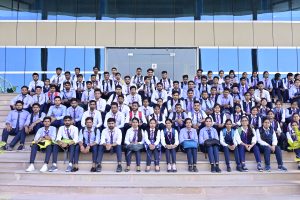

In today’s fast-changing digital world, being a manager is harder than ever. Places like SHEAT College of Engineering & Management, Varanasi, are leading the way in training future leaders.
Effective leadership strategies are key to handling new tech and changes in the workforce. As what people expect changes, modern managers need to grow and get the right leadership skills to do well.
Key Takeaways
- Understanding the impact of digital technologies on leadership.
- Developing effective strategies for a changing workforce.
- The role of institutions in shaping future leaders.
- Adapting to evolving stakeholder expectations.
- Cultivating essential leadership qualities for success.
The Transformed Leadership Landscape in the Digital Era
Leadership has changed a lot in the digital age. It now focuses on teamwork more than old ways. This change comes from new tech, different workers, and what people expect now.
From Command-and-Control to Collaborative Leadership
The old way of leading is fading. Now, leaders work together more. This is because we need to make decisions fast and be quick to change.
Historical Evolution of Management Approaches
Management has changed a lot over time. It started with old ideas and now focuses on emotional intelligence and adaptive leadership techniques. This shows a move towards caring more about people and being flexible.
Why Traditional Leadership Falls Short Today
Old ways of leading don’t work well today. They are too rigid and slow to change. They don’t have the agility needed for today’s business world.
How Technology Has Reshaped Management Expectations
Technology has changed what managers expect. It makes talking, working together, and making decisions better. The rise of working from home and digital tools has been big.
The Impact of Remote Work and Digital Communication
More people work from home now. This is because of new tech and what workers want. It means we need digital tools and flexible leadership.
New Stakeholder Expectations in the Digital Economy
People in the digital world have new demands from leaders. They want to be open, quick to talk, and focus on contemporary leadership development. Leaders must meet these needs to stay effective.
SHEAT College of Engineering & Management, Varanasi, is leading the way. They teach adaptive leadership techniques and contemporary leadership development skills for the future.
Modern Leadership Skills Essential for Digital Success
To do well in today’s digital world, leaders need special skills. These skills help bring innovation and progress. There are three main areas of skills needed for digital success.
Digital Literacy and Technological Adaptability
Digital literacy is key for leading in the digital age. It means knowing how to use digital tools well.
Understanding Emerging Technologies
Leaders must keep up with new tech like AI and blockchain. Knowing how these techs work helps them make smart choices.
Continuous Learning Mindset
Having a mindset that always wants to learn is important. Leaders should make their teams learn too. Places like SHEAT College of Engineering & Management, Varanasi help with this.
Data-Driven Decision Making
Good leaders make choices based on data. They need to understand and use data well.
Analytical Thinking and Interpretation
Leaders must be good at analytical thinking. This helps them understand data and make smart plans.
Balancing Data with Intuition
While data is important, intuition is too. Mixing both helps leaders make the best choices in the digital world.
Virtual Team Management
Managing teams that work from home is now key. This means building trust and using digital tools to work together.
Building Trust in Remote Environments
Trust in virtual teams comes from clear communication, being open, and caring. Leaders must make sure everyone feels included and valued.
Digital Collaboration Tools and Techniques
Using digital tools well is important for working with teams from afar. Leaders should know how to use these tools to help their team work together smoothly.
Emotional Intelligence: The Cornerstone of Digital Age Leadership
Emotional intelligence is key for leaders today. It helps them lead well in a world of remote work and digital chats. Leaders need to grow their emotional smarts to succeed.
Building Empathy in Remote Work Environments
Creating empathy in remote teams is tough. It needs active listening and understanding digital signals. Leaders must make sure everyone feels heard and understood.
Active Listening in Digital Communication
Active listening means really listening to others. It’s about catching their tone and replying well. In digital chats, it’s about paying close attention and asking the right questions.
For example, when someone emails, a smart leader will reply quickly. This makes the team member feel important.
Recognising Emotional Cues Without Face-to-Face Interaction
It’s hard to spot emotional signs in digital talks. But it’s doable. Leaders can look at language, how fast someone responds, and emojis.
Balancing Automation with Human Connection
Leaders must mix tech with personal touch. Tech helps, but people need each other for trust and happiness at work.
When to Digitise and When to Personalise
It’s important to know when to use tech and when to be personal. Tech is good for simple tasks. But, personal talks are key for feeling connected.
Creating Psychological Safety in Digital Teams
Psychological safety means a safe space for sharing ideas. Leaders can make this by being open, kind, and understanding.
| Leadership Strategy | Digital Implementation | Human Connection |
|---|---|---|
| Active Listening | Responding to messages promptly | Showing empathy through personalised responses |
| Emotional Intelligence | Recognising emotional cues in digital communication | Fostering a positive work environment through regular check-ins |
| Psychological Safety | Creating a safe space for digital discussions | Encouraging open feedback and transparency |
In short, emotional smarts are essential for leading today. By being empathetic, balancing tech and people, and making a safe space, leaders can create a great work place.
Agile Leadership: Thriving Amidst Constant Change
Agile leaders are great at changing quickly. They keep up with the world’s fast pace. Being agile means being ready for anything.
Implementing Adaptive Leadership Techniques
Adaptive leadership is key in today’s world. It uses rapid decision-making frameworks and iterative planning and execution. This helps businesses stay on top.
Rapid Decision-Making Frameworks
These frameworks help leaders make fast, smart choices. They use current data to guide them.
Iterative Planning and Execution
Breaking projects into small parts makes teams more flexible. This way, they can change and succeed quickly.
| Technique | Description | Benefit |
|---|---|---|
| Rapid Decision-Making | Using real-time data for quick decisions | Faster response to market changes |
| Iterative Planning | Breaking projects into smaller tasks | Increased flexibility and adaptability |
Creating Resilient Teams in Uncertain Times
Building strong teams is vital. It means developing change readiness and a culture of failure tolerance and learning.
Developing Change Readiness
Getting teams ready for change is important. Training and development help them adapt and grow.
Failure Tolerance and Learning Culture
Learning from mistakes is key. It leads to innovation and growth. Embracing failures helps teams grow stronger.
In conclusion, agile leadership is about being ready for change. By using adaptive techniques and building strong teams, businesses can succeed. Schools like SHEAT College of Engineering & Management, Varanasi, teach these important skills.
Innovative Leadership Practices for Digital Transformation
Today’s business world needs leaders who can lead digital change. They must use new ways to lead. This is key as tech and markets keep changing.
Fostering a Culture of Innovation
It’s important to create a place where new ideas are welcome. This means using new tech and being open to change.
Creating Safe Spaces for Experimentation
Leaders must make safe spaces for people to try new things. They should not be scared of making mistakes. This helps everyone learn from their errors.
“The biggest risk is not taking any risk… In a world that’s changing really quickly, the only strategy that is guaranteed to fail is not taking risks.”
Rewarding Creative Problem-Solving
It’s key to praise people for solving problems in new ways. Leaders should find ways to thank and reward those who think differently.
Design Thinking for Leadership Challenges
Design thinking is a way to solve problems by thinking about people first. It helps leaders make solutions that really help others.
Human-Centred Approaches to Organisational Problems
Using design thinking helps leaders see problems from others’ points of view. This leads to better solutions that last.
Case Studies: Successful Digital Transformations in Indian Organisations
Looking at how some Indian companies changed digitally is very helpful. It shows us what good leadership looks like.
Lessons from IT Sector Leaders
Leaders in India’s IT sector have led the way in digital change. They teach us about being quick to adapt and focusing on customers.
Traditional Industries Embracing Digital Change
Even old industries have joined the digital age. Their stories show us the importance of being ready to change and having a clear vision.
| Industry | Digital Transformation Strategy | Outcome |
|---|---|---|
| IT | Adoption of AI and cloud technologies | Enhanced service delivery and competitiveness |
| Manufacturing | Implementation of Industry 4.0 practices | Increased efficiency and reduced costs |
| Banking | Digitalisation of customer services | Improved customer experience and operational efficiency |
Schools like SHEAT College of Engineering & Management, Varanasi, are training future leaders. They teach new ways of leading in a digital world.
Inclusive Leadership in the Global Digital Workspace
The global digital workspace needs a new kind of leader. This leader must be inclusive, diverse, and sensitive to cultures. As companies grow worldwide, they must use inclusive leadership practices. This helps create a culture of belonging and innovation.
Leveraging Diversity for Competitive Advantage
In today’s world, using diversity is key to success. Diverse teams bring many perspectives, ideas, and experiences. This helps organisations grow and succeed.
Building Multi-Generational Digital Teams
It’s important to have teams of all ages in the digital world. This means:
- Younger employees bring new ideas, while older ones share their experience.
- Everyone gets training that fits their learning style.
- Everyone feels valued and respected, no matter their age.
Gender and Cultural Inclusion in Tech-Driven Environments
It’s vital to include everyone in tech jobs. Companies can do this by:
- Having rules that give everyone a fair chance, no matter their gender or culture.
- Creating a place where everyone’s ideas are welcome.
- Teaching about unconscious bias and cultural sensitivity.
Cross-Cultural Communication in Virtual Teams
Good communication across cultures is key in virtual teams. Leaders must handle cultural differences and time zones well. This makes the team work better together.
Navigating Time Zones and Cultural Differences
To manage time zones and cultural differences, leaders need to:
- Know about different cultures and how they communicate.
- Use technology to help everyone work together, no matter where they are.
- Be flexible and open to working with people from different cultures.
Creating Inclusive Digital Collaboration Norms
To make digital teams inclusive, we need:
- Clear rules for talking and working together that respect everyone.
- Make sure everyone gets a chance to share, no matter where they are.
- Be open and honest, so everyone feels safe to share their thoughts.
| Inclusive Leadership Practices | Benefits | Implementation Strategies |
|---|---|---|
| Building Multi-Generational Teams | Diverse perspectives, improved innovation | Training programs, mentorship initiatives |
| Gender and Cultural Inclusion | Equal opportunities, enhanced creativity | Unconscious bias training, diversity policies |
| Cross-Cultural Communication | Improved collaboration, reduced misunderstandings | Cultural sensitivity training, technology-enabled communication |
By using these inclusive leadership practices, companies can create a better work environment. This leads to more innovation and success in the digital world.
Leadership Development at SHEAT College of Engineering & Management, Varanasi
SHEAT College of Engineering & Management, Varanasi, is changing how we learn to lead. It has special programmes for the digital world. The college wants to teach effective leadership strategies and modern leadership skills to its students.
Cutting-Edge Leadership Programmes
The college has many new leadership programmes. These programmes help students get ready for today’s fast world.
Curriculum Designed for Digital Age Challenges
The lessons are made to face digital age problems. Students learn to handle big leadership challenges.
Technology-Enhanced Learning Approaches
SHEAT College uses new tech in learning. This makes studying fun and full for students.
Industry Partnerships and Practical Learning
The college works closely with companies. This gives students real experience.
Collaborative Projects with Tech Companies
Students get to work with top tech firms. They learn by doing and grow their skills.
Mentorship Opportunities with Industry Leaders
Students also get to learn from top professionals. They get to see the latest trends in their field.
| Programme | Key Features | Benefits |
|---|---|---|
| Leadership Development Programme | Curriculum designed for digital age challenges, technology-enhanced learning | Equips students with effective leadership strategies and modern leadership skills |
| Industry Partnership Programme | Collaborative projects with tech companies, mentorship opportunities with industry leaders | Provides students with practical experience and industry insights |
Success Stories of SHEAT Alumni in Leadership Roles
SHEAT College has made many leaders. These leaders have done well in different fields.
Transformative Leaders in Technology Sectors
Many SHEAT alumni lead in tech. They bring new ideas and help their companies grow.
Entrepreneurial Ventures by SHEAT Graduates
Some alumni have started their own businesses. They use what they learned at SHEAT to make their companies successful.
Overcoming Digital Leadership Challenges in the Indian Context
Indian companies face a tough digital world. They need innovative leadership practices. Leaders must find new ways to tackle these challenges.
Bridging the Digital Divide
The digital gap in India is big. It affects how leaders work. To fix this, leaders should:
- Start digital literacy programs
- Build better digital infrastructure
- Make management more inclusive
Urban-Rural Leadership Disparities
The skills of leaders in cities and villages differ. To close this gap, leaders should:
- Offer training that meets rural needs
- Use technology to help leaders grow
Accessibility Solutions for Inclusive Management
It’s important to make management accessible to all. This can be done by:
- Creating digital platforms that everyone can use
- Building a culture that welcomes everyone
Balancing Traditional Values with Progressive Leadership Approaches
Indian leaders must mix old values with new ideas. This means:
“The art of leadership is not about adopting a Western or Eastern style, but about creating a unique blend that works for your organisation.” –
Integrating Cultural Strengths into Modern Leadership
India’s culture can help shape modern leadership. This includes:
- Using cultural values to promote teamwork
- Applying cultural insights to spark innovation
Multigenerational Workforces in Indian Organisations
Managing teams of different ages needs adaptive leadership techniques. Leaders should:
- Set up chances for different ages to learn from each other
- Build a culture that values all views
Infrastructure and Resource Considerations
Good digital leadership in India also means solving infrastructure and resource problems. This includes:
- Investing in strong digital infrastructure
- Looking at other ways to stay connected
Resource Optimisation for Digital Transformation
Using resources wisely is key for digital change. Leaders should:
- Plan how to use resources well
- Use technology to work more efficiently
By tackling these issues, Indian companies can fully use digital leadership. This will help them grow and innovate.
Conclusion: Embracing the Future of Leadership
Leadership today needs many skills. It must be modern, adaptable, and innovative. As companies grow, learning new ways to lead is vital.
SHEAT College of Engineering & Management, Varanasi, helps shape future leaders. They teach new ways to lead and bring change to Indian businesses. This helps companies stay ahead by being creative and innovative.
The future of leadership is about strong teams and using technology wisely. It’s also about connecting with people. Leaders must always learn and grow to keep up with changes.
By focusing on leadership, companies can do well even when things change a lot. SHEAT College of Engineering & Management, Varanasi, leads in teaching these important skills.